


An uninsured motorist collision in California is a motor vehicle accident where the at-fault driver lacks the state-mandated liability coverage to pay for the victim’s bodily injuries and property damage. When an at-fault driver is uninsured, victims must rely on their own uninsured motorist coverage (UMC) or pursue a personal injury lawsuit directly against the driver’s personal assets.
If the at-fault driver has no insurance in California, they face fines, license suspension, and possible civil lawsuits. Victims may file claims with their own uninsured motorist coverage. The uninsured driver is still personally liable for damages and may be barred from claiming noneconomic damages if they’re also injured.
California law requires drivers to carry a certain level of insurance coverage before they get on the roads. Unfortunately, thousands of uninsured motorists use California roads every day. A 2021 Insurance Research Council (IRC) study reported that approximately 16.6% of motorists in California are uninsured.
If an uninsured driver suffers injuries in a car accident caused by another driver, they can still recover some losses through a personal injury claim. If an uninsured driver causes an accident, anyone injured can seek compensation through their own insurance companies. In either scenario, the uninsured driver can face criminal penalties for their lack of coverage.
Key Takeaways: What Happens If You Get in a Car Accident Without Insurance in California?
Being uninsured in a California crash changes what you can recover and what penalties you could face, whether or not you caused the accident.
- California requires drivers to carry at least $15,000/$30,000 in bodily injury coverage and $5,000 in property damage coverage.
- Under the state’s “No Pay, No Play” law, an uninsured driver generally cannot recover pain-and-suffering damages, only economic losses like medical bills and lost wages.
- If you’re hit by an uninsured driver, your own uninsured motorist coverage can often cover medical bills, lost wages, and pain and suffering.
- Driving without insurance can lead to fines, vehicle impound, a license suspension of up to four years, and an SR-22 filing requirement.
Insurance Requirements in California
California requires drivers to maintain a certain level of insurance coverage to cover potential injuries or property damage. The minimum liability insurance limits in California include:
- $15,000 in bodily injury coverage for a single person injury;
- $30,000 in bodily injury coverage for multiple people’s injuries; and
- $5,000 in property damage coverage.
The state outlines the absolute minimum level of coverage you need to avoid criminal penalties. Drivers can purchase additional coverage that offers more protection if an accident occurs.
Who Is Liable for a Car Accident Without Insurance?
California uses a fault-based tort system for car accident claims. That means the person who is responsible for the car accident is liable for damages caused in the collision. Typically, the individual will still need to pay the settlement. When a party has insurance coverage, their insurance pays for the losses caused by their client up to their policy limits. Insurance companies can offer a larger settlement than most individuals, but they make more money when settling claims for as little as possible. A lawyer can negotiate with the insurance company on their client’s behalf to secure a fair settlement offer.
A Crash Without Insurance Doesn’t Mean You’re Out of Options
Whether you were uninsured or you were hit by someone who was, the next steps can feel confusing and stressful. Our team can walk you through what actually applies to your situation and what you may still be able to recover.
Schedule A Free ConsultationHow to Determine Who Caused the Accident
There are several different methods to determine who caused a car accident. Examples of actions by a driver that can cause a collision include:
- Running a red light;
- Running a stop sign;
- Speeding;
- Texting while driving;
- Driving recklessly; or
- Driving under the influence of drugs or alcohol.
An attorney can recover evidence about the crash that demonstrates who is responsible. Evidence that will illustrate the details of the crash include things like the car accident report, eyewitness statements, and surveillance footage. Responding officers may include their opinion of who caused the accident in the police report.
Scenario 1: You were driving without insurance when you crashed
California requires drivers to carry minimum liability insurance, and driving without it is an infraction. If you’re in a crash while uninsured, you can face:
- Fines and penalty assessments: Base fines for a first offense are relatively small (usually between $100 and $200), but state and county penalty assessments act as multipliers, significantly increasing the final cost. Repeat offenses cost considerably more.
- Vehicle impound: Police have the authority to tow and impound your vehicle at the scene. You are responsible for all towing and storage fees.
- License suspension: If the accident results in injury (no matter how minor), death, or property damage of $1,000 or more, and you cannot show proof of financial responsibility, the DMV will suspend your driving privilege. This suspension typically lasts for up to one year, or up to four years for repeat offenses within a specific timeframe.
- SR-22 requirement: Before you can reinstate a suspended license, you must file an SR-22 form with the DMV, proving you have obtained the required liability insurance. You generally must maintain this SR-22 filing for three years.
- Personal liability if you were at fault: You can be sued personally by the other party to cover their medical bills, vehicle repairs, and other damages. If a court rules against you, the resulting judgment can lead to wage garnishment or liens against your property.
California’s “No Pay, No Play” law (Proposition 213)
This is the rule that surprises people most. Under Proposition 213 (California Civil Code § 3333.4), if you were uninsured at the time of the crash, you generally cannot recover non-economic damages—like pain and suffering, emotional distress, or loss of enjoyment of life—even if the other driver was entirely at fault.
What you generally can still recover as an uninsured, not-at-fault driver: economic damages, which are verifiable financial losses like medical bills, lost wages, and the cost of repairing or replacing your vehicle.
There are limited exceptions to Prop 213. For instance, if the at-fault driver is convicted of driving under the influence (DUI) in connection with the crash, or if you were driving your employer’s uninsured vehicle without knowing it lacked coverage, you may still be able to recover pain and suffering damages. Because the rules are specific, this is exactly the kind of situation where a quick conversation with an attorney can tell you what your claim is actually worth.
Scenario 2: You were hit by an uninsured driver
If the other driver had no insurance and caused the crash, you typically have a few paths, depending on your own coverage:
- Uninsured motorist (UM) coverage: If you carry UM coverage on your policy, you can file a claim with your own insurance company to cover your medical bills, lost wages, and pain and suffering, up to your policy limits.
- Sue the at-fault driver personally: California law allows you to file a lawsuit directly against the negligent driver. However, actually collecting money from someone who could not afford insurance in the first place can be very difficult.
- Small claims: If your losses are relatively low, you can file a case in California small claims court. The current maximum claim limit is $12,500 for individuals.
- Your own collision coverage: If you carry collision coverage, it will pay to repair or replace your vehicle regardless of who caused the accident, subject to your deductible.
Injured in an Accident With an Uninsured Driver? Contact Us Today
What to do after a crash involving no insurance
- Call the police and get a report. A police report provides crucial documentation of the scene and fault.
- Document everything: Take photos of the damage, the scene, and get the other driver’s contact and vehicle information, along with details from any witnesses.
- Get medical care: Seek a medical evaluation even if you feel fine at first; some injuries take days to become apparent.
- Report the accident as required: Under California law, you must report any collision resulting in injury, death, or property damage exceeding $1,000 to the DMV using the SR-1 form within 10 days, regardless of fault.
- Be careful what you say to insurers: Stick to the facts and avoid making statements about fault or your injuries before you fully understand your rights.
- Talk to an attorney: This is especially important if anyone was injured or if you are navigating the complex rules of Prop 213.
What you face and what you can recover, by scenario
| Your situation | What you may face | What you may recover |
| You were uninsured and at fault | DMV penalties (fines, impound, suspension, SR-22) + personal liability for others’ damages | Limited; Prop 213 bars pain and suffering |
| You were uninsured but NOT at fault | DMV penalties may still apply | Economic damages only (medical bills, lost wages, repairs); no pain and suffering under Prop 213 |
| You were insured and hit by an uninsured driver | Generally no penalties | UM claim, lawsuit against the driver, and/or small claims; economic and non-economic damages |
Takeaway line: Whether you can recover pain-and-suffering damages in California often comes down to one thing: whether you were insured at the time of the crash.
Penalties for driving uninsured in California
| Penalty | Notes |
| Fines + state assessments | Base fines are multiplied by state and county assessments. Fines increase significantly for repeat offenses. |
| Vehicle impound | Police can impound the vehicle; towing and storage fees are your responsibility. |
| License suspension | Triggered by any injury, death, or property damage over $1,000 without proof of financial responsibility. Standard suspension is up to one year. |
| SR-22 filing | Required to reinstate a suspended license; typically must be maintained for three years. |
What Happens if You Get in a Crash Without Insurance?
You could face serious legal and financial consequences if you get into a car accident without insurance in the United States. Since nearly every state requires at least minimum liability coverage, driving uninsured is typically considered a motoring offense that can result in fines, license suspension, and even jail time in some cases. Additionally, you would be personally liable for any damage or injuries you cause to other drivers, passengers, and property. This could expose you to costly lawsuits and judgments that could strip you of your assets or future wages if you lack the resources to pay out-of-pocket.
You Don’t Have to Face the Insurance Company Alone
Between fines, claims, and paperwork, it’s easy to feel overwhelmed after a crash involving no insurance. Talk with our team about what happens next and how we can help protect your rights.
Schedule A Free ConsultationWhat If an Uninsured Driver Crashed Into Me?
If the at-fault driver lacks insurance or their policy is too small to cover your damages, you may seek compensation from your own insurance policy through uninsured motorist coverage. Uninsured motorist coverage provides policyholders with protection when they suffer injuries in an accident with an uninsured driver or in a hit-and-run.
Even though uninsured motorist coverage is not required, it is always better to have excess insurance coverage than not enough. With approximately one in eight drivers lacking insurance, purchasing uninsured motorist coverage can give you peace of mind on the road.
What If Both Parties Caused the Accident?
It is not uncommon for both drivers in a car accident to bear some responsibility for the collision. California uses the rule of modified comparative negligence to reduce an involved party’s recovery by their percentage of blame. Modified comparative negligence means a party can file a personal injury claim if they were less than 50% responsible for the accident.
Consider that you are awarded $100,000 in a personal injury claim. The judge determines you were 30% responsible for the accident that caused your injuries. That means your $100,000 award is reduced by your percentage of blame, resulting in a final award of $70,000.
Penalties for Driving Without Insurance
California imposes civil penalties for individuals who drive without insurance. Under California Proposition 213, if you suffer injuries in an accident caused by someone else but were driving without insurance, you are legally barred from recovering noneconomic damages in a personal injury claim. Noneconomic damages include things like mental anguish, emotional distress, pain and suffering, or loss of quality of life. Although you can still recover economic losses, missing out on noneconomic losses can decrease your recovery by thousands of dollars.
California can suspend your driving privileges for up to four years if you do not have the minimum level of insurance the state requires. Additionally, you can face a fine of up to $200 for the first offense and up to $500 for subsequent violations.
Act Now – Our Team at The Law Offices of Ali Yousefi, P.C., Can Help
Our team at the Law Offices of Ali Yousefi, P.C., knows what it takes to recover compensation for clients injured in car accidents. Our founding attorney, Ali Yousefi, was named one of the 10 Best Lawyers in California by The American Institute and earned an impressive 9.4 rating on AVVO, an online rating site for attorneys.A member of our team will meet with you to gather the facts about your car accident. We will start by investigating the circumstances of the accident and determining whether the opposing party has insurance coverage. A car accident lawyer will keep you updated through each step of the process. Our skilled personal injury attorneys can recover a settlement to reimburse you for the losses you sustained in the accident. Contact our office today to schedule an appointment.
FAQ
What happens if you get in a car accident without insurance in California?
You can face DMV penalties, steep fines, vehicle impoundment, a license suspension, and an SR-22 requirement. If you caused the crash, you face personal liability. Under California’s “No Pay, No Play” law, being uninsured limits your recovery to economic damages only, even if the other driver was at fault.
Can I recover damages if I was hit by an uninsured driver in California?
Often, yes. If you carry uninsured motorist (UM) coverage, you can file a claim under your own policy. You can also sue the at-fault driver directly, though collecting judgments can be difficult. If you were insured, you may recover both economic and non-economic damages.
What is California’s “No Pay, No Play” law?
Proposition 213 (Civil Code § 3333.4) generally prevents uninsured drivers from recovering non-economic damages like pain and suffering, even if another driver caused the crash. You may still recover economic damages such as medical bills and vehicle repairs. Limited exceptions apply, such as accidents involving a convicted drunk driver.
Who pays when you’re hit by an uninsured driver?
It depends on your insurance. Your uninsured motorist (UM) coverage can pay for your injuries and losses if you purchased it. Otherwise, you may need to pursue the at-fault driver personally or use your own collision coverage to handle vehicle repairs.
Can I be sued for a car accident if I had no insurance?
Yes. If you were uninsured and caused the accident, the other party can sue you personally for their medical bills and property damage. A court judgment against you can be enforced through wage garnishment or liens. Talking to an attorney early can help you understand your exposure.
Is it worth suing an uninsured driver?
Sometimes. While a lawsuit can legally establish what you are owed, actually collecting the money from someone with no insurance and limited assets can be difficult. Often, filing an uninsured motorist claim is the more practical route. An attorney can assess if pursuing the driver is worthwhile.
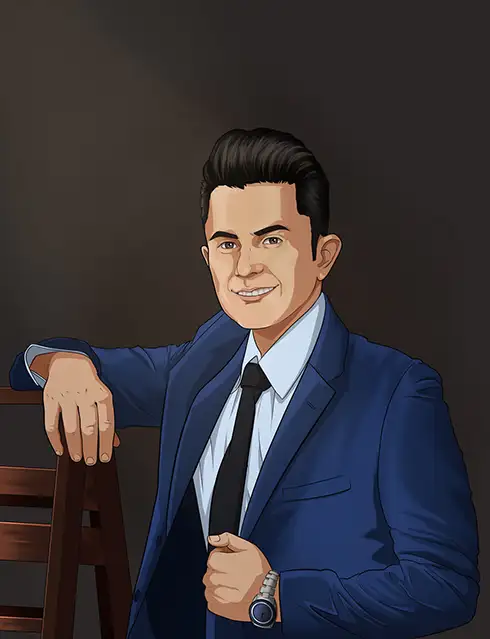
Attorney Ali Yousefi is the founder of Law Offices of Ali Yousefi, P.C., and has distinguished himself as one of the leading lawyers in California. Ali values that his work allows him to make a direct, positive impact on the lives of people who have experienced stressful or traumatic events.